Community science engages volunteers, many without previous experience, in monitoring projects in their community. Volunteers perform research-related tasks to assist in science-based conservation efforts. Woodland Dunes is involved in several community science projects. All training and equipment is provided.
Bald Eagle Nest Watch (BENW)
Pushed to the brink of extinction by the harmful effects of the pesticide DDT in the mid-1900s, only 100 nesting pairs of Bald Eagles were left in Wisconsin in 1972. After the banning of DDT and other restrictions, the Bald Eagle population began to rebound.

In 2018, the Southern Wisconsin Bird Alliance (formerly Madison Audubon) began a citizen science program in partnership with the Wisconsin DNR to get better population estimates for Bald Eagles in Wisconsin. There are 8 program areas in the state, and Woodland Dunes Nature Center is the area lead for Manitowoc County.
Volunteers will be assigned a nest that they must monitor for at least 1 hour every week from February through the end of summer. Training will be provided (held online). Contact Kennedy Zittel at kennedyz@woodlanddunes.org or visit swibirds.org/benw for more information.
Midwest Crane Count
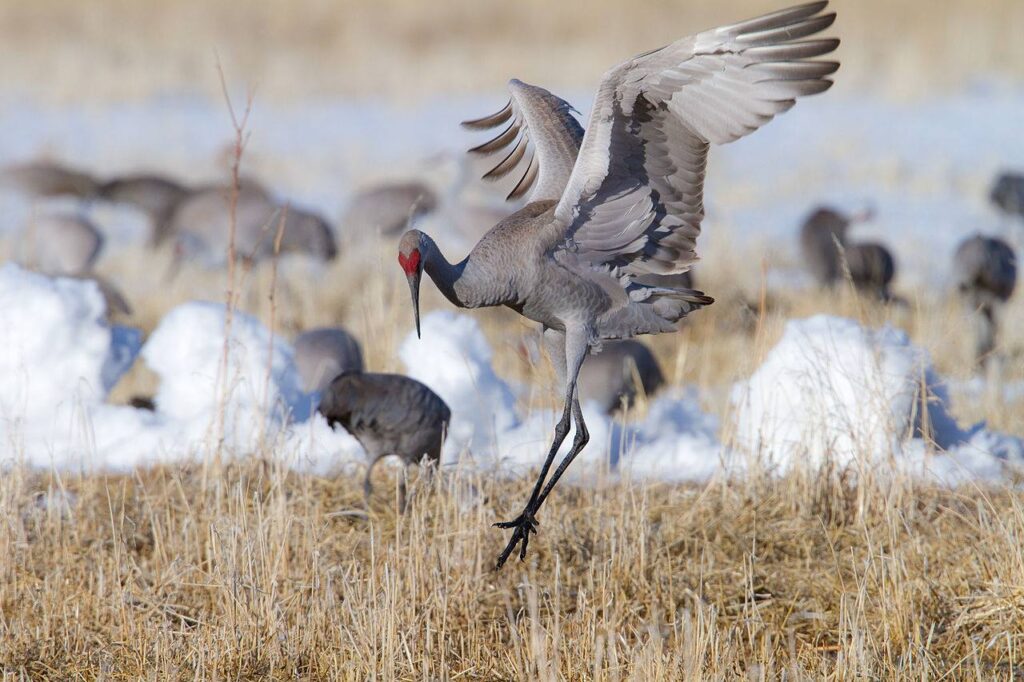

The Annual Midwest Crane Count is sponsored by the International Crane Foundation (ICF) and allows the ICF to monitor the abundance and distribution of cranes in the upper Midwest for the purposes of conservation. The count takes place on a Saturday in mid-April from 5:30-7:30 a.m. and involves counting cranes in an assigned location. If you are interested in getting involved in Manitowoc County, contact Jessica Johnsrud at jessicaj@woodlanddunes.org. For more information on the Midwest Crane Count, visit https://savingcranes.org/learn/annual-midwest-crane-count/
WAV
The Water Action Volunteers Program (WAV) is a statewide citizen science program where volunteers monitor as much of Wisconsin’s 86,000 miles of streams and rivers as possible. The goal of this program is to preserve, protect, and restore the streams and rivers by collecting stream data used in decision-making and natural resource management. If you are interested in becoming a volunteer, visit Become a Volunteer – Water Action Volunteers for more information.